
Chilly venues can ruin a polished outfit fast. You walk in feeling put-together, then spend the night tugging sleeves down, shivering at the table, or hiding under a coat you cannot check.
A wool thermal set solves that problem because it adds warmth without the loud, puffy look of heavy layers. The right set also helps you re-wear pieces more often with fewer washes, which fits a more intentional wardrobe and supports Slow Fashion.
Official Site: PULI
How to Choose a Wool Thermal Set Step by Step
Step 1: Define layering or event needs
Start by naming the exact situation. A thermal set for commuting and waiting outside needs a different weight than a set for a warm restaurant.
Use a quick checklist:
- Venue temperature: cold entry, cold seating, or both.
- Dress code: cocktail, semi-formal, business, or casual.
- Outer layers: blazer, wool coat, dress, jumpsuit, or trousers.
Your goal is to prevent bulk under tailored pieces. When you know your top layer, you can pick a base layer that disappears under it instead of changing the whole silhouette.
Step 2: Choose the right wool content
Wool content matters because it controls comfort, drape, and how often you need to wash. For evening events, prioritize softness and a smooth hand-feel.
Look for wool-rich fabrics when you want:
- Better temperature regulation indoors and outdoors.
- Less cling and less static in dry winter air.
- A more refined look under fitted clothing.
If you are sensitive to itch, focus on fine-gauge merino and smooth seams. For example, PULI offers Woolcano base layers made with 100% merino wool in different fabric weights, designed to feel soft and flexible next to skin.
Product Page: Woolcano Men’s 190 Merino Wool Base Layer Set
Step 3: Match fabric weight to use
Fabric weight is the fastest way to get the feel right for the night. As a simple rule, lighter weights look cleaner under event clothing, while midweight sets handle more outdoor time.
Use this guide:
- Lightweight for indoor evening events and layered looks.
- Midweight for travel days, cold commutes, or outdoor waiting.
PULI Woolcano sets list weight in g/m2, which makes choosing easier:
- Woolcano Men’s 190 Merino Wool Base Layer Set uses 190 g/m2 merino, which is a strong pick for indoor events plus a short commute.
- Woolcano Men’s 260 Merino Wool Base Layer Set uses 260 g/m2 merino, which works better when you expect longer exposure to cold.
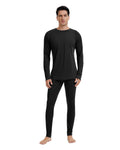
Shop: Woolcano Men’s 260 Merino Wool Base Layer Set
Step 4: Get the fit for silhouettes
Fit is what makes a thermal set look invisible under evening clothes. You want a close-to-skin fit without tight lines, rolling edges, or bunching.
Focus on these fit checks:
- Torso: snug enough to stay tucked, not so tight that it pulls.
- Sleeves: smooth in the upper arm so blazers slide on easily.
- Waistband: flat and stable so it does not print through skirts or trousers.
PULI highlights elasticity and comfort in its Woolcano base-layer sets, and the merino knit is designed to move with you. That helps when you are sitting through dinner, then standing for photos, then walking outside again.
Product Page: Woolcano Kid’s 260 Merino Wool Base Layer Set
Step 5: Pick neckline and sleeve length
Choose necklines based on what will show.
Common pairings:
- Crew neck: best under sweaters, higher-neck dresses, and casual layers.
- V neck: better under open collars or wrap tops, and easier to hide under evening necklines.
- Short sleeve base layer: useful when you want warmth in the core but minimal sleeve bulk.
If you want a refined indoor layer, a lightweight merino blend tee can be a smart alternative to a full thermal top. PULI Woolcano offers a merino and TENCEL(TM) short sleeve top with flatlock stitching and a regular fit, designed for comfort and a smooth feel.

Shop: Woolcano Women’s Merino Wool Tencel Blend T-shirt
Step 6: Check odor and wear frequency
This step is where Slow Fashion becomes practical. If you want to buy fewer pieces and wear them more, choose base layers that stay fresher between washes.
Research summarized by Woolmark reports that wool fabrics retained 66% less body odour intensity than polyester in one study, supporting a wear-more, wash-less approach. According to Woolmark, wool fibers can also absorb significant moisture vapor, which helps keep skin drier and reduces odor build-up.
For events, this matters because you can often:
- Air out wool after a short wear.
- Spot clean small areas.
- Wash less frequently to help maintain drape.
Step 7: Confirm care requirements upfront
Care rules should match your real routine. A beautiful wool set that needs special handling may sit in the drawer.
Before you commit, confirm:
- Machine wash vs. hand wash.
- Tumble dry low vs. line dry.
- Whether fabric softeners are discouraged.
PULI Woolcano merino base layers commonly list machine wash care and low-heat drying guidance on product pages. That is helpful if you want a more repeatable system you can stick to all winter.
Scenario Variations
Black-tie events
Choose an invisible base layer. Go lightweight, keep seams flat, and avoid high collars that can peek above dress necklines. If the dress is fitted, prioritize a smooth waistband and a close-to-skin top.
Cocktail dress code
Aim for sleek warmth plus a topper. Use a lighter base layer, then add a refined wrap for photos and outdoor transitions.
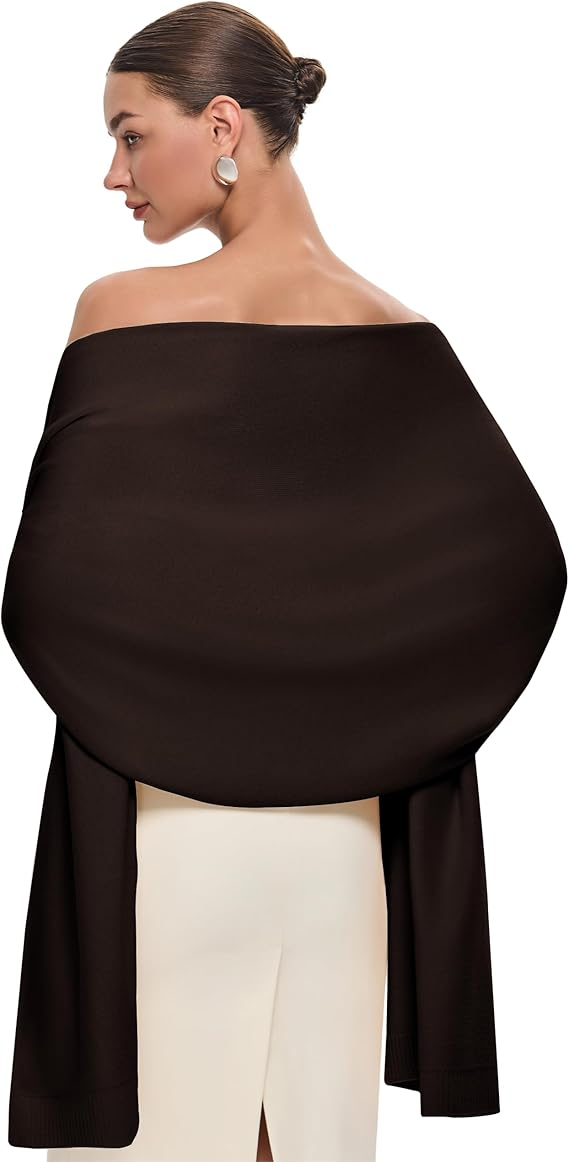
Product Page: PULI Womens Elegant Cross Front Shawl Wraps Floral Wraps Soft Ponchos Cape Warm Travel Shawls
Travel days with evening plans
Pick a packable layer that resists wrinkles. A midweight merino set can cover airport temps and cold rideshares, while still working under a clean dinner outfit.
Outdoor reception or long waits outside
Use a midweight merino set and add wind protection on top. When wind and damp conditions increase heat loss, layered clothing becomes more important; OSHA notes that wind speed and wetness can significantly raise cold-stress risk. According to OSHA, wind chill and dampness can accelerate heat loss, so plan a warm base layer plus a protective outer layer when you will be outdoors.
Prerequisites and Safety
Required Tools and Materials
- Measuring tape: check chest, waist, hip, and inseam for the cleanest fit.
- Full-length mirror: spot bunching at elbows, waist, and knees.
- Good indoor lighting: see fabric show-through before you leave.
- Lint roller: remove lint so dark outfits look crisp.
- Fabric brush: refresh wool between wears.
- Gentle wool detergent: avoid harsh cleaners that can strip softness.
Safety Considerations
- Avoid overheating indoors. Remove your wrap or outer layer early so you do not sweat into the base layer.
- Stop wearing wool that causes irritation. Switch to a finer merino layer or add a thin liner top.
- Keep base layers away from direct heat sources. Do not stand too close to heaters, fireplaces, or open flames.
- If you will be outside for long periods, plan warm-up breaks and keep dry. Damp clothing increases heat loss quickly.
Troubleshooting
| Problem | Cause | Solution |
|---|---|---|
| Thermal top feels itchy | Fiber feels too coarse for your skin | Add a thin liner tee or switch to a finer merino next-to-skin layer. Air the garment after washing to reduce stiffness. |
| Outfit looks bulky | Set is too heavy or too loose | Size down for a closer fit and choose a lighter weight for indoor events. Keep top tucked smoothly to reduce waist bunching. |
| You overheat indoors | Weight is too warm for the venue | Use a lighter set, or wear only the bottom with a lighter top. Remove outer layers early to prevent sweating. |
| Neckline shows under dress | Neckline is too high | Choose a V-neck option or a lower-profile top for evening necklines. Test under the dress in front of a mirror. |
| Static cling under skirts | Dry air plus synthetic outer fabric | Use wool-rich layers and avoid heavy synthetic tights when possible. Lightly mist the outer layer or use a small anti-static spray on the outside garment only. |
Conclusion
Choosing a wool thermal set is easiest when you treat it like an outfit tool, not a generic winter purchase. First, define whether you need a clean indoor layer or real outdoor protection.
Next, pick the right wool content and weight, then confirm fit so your silhouette stays polished. Finally, lean into Slow Fashion by choosing pieces you can re-wear and refresh between washes.
Official Site: PULI
FAQ
How do I choose between 190 g/m2 and 260 g/m2 merino for events?
A 190 g/m2 set usually layers more smoothly under tailored pieces, so it works well for indoor dinners and warm venues. A 260 g/m2 set is better if you expect long outdoor waits, cold commutes, or wind exposure. If you are unsure, test your full outfit at home for 10 minutes and see whether you overheat. Fit and seam bulk matter as much as warmth.
Can I wear a wool thermal set under a dress without it showing?
Yes, but you need a close-to-skin fit and a lightweight fabric so seams do not print. Choose a top with a neckline that matches the dress shape, and check the shoulder area where straps or sleeves can shift. For the bottom, look for a flat waistband and avoid extra fabric at the hips. Do a quick mirror check under bright light before you leave.
What should I do if my wool base layer feels itchy after an hour?
Stop and adjust instead of trying to push through discomfort all night. Add a thin liner shirt between your skin and the wool, or switch to a finer merino layer designed for next-to-skin wear. You can also reduce irritation by washing with a gentle wool detergent and letting the garment fully air dry. If irritation continues, reserve that piece for outer layering rather than direct skin contact.
How can I stay warm outside without overheating once I am indoors?
Use layers you can remove fast: a warm base layer plus a wrap or coat that comes off immediately. If you tend to overheat, choose a lighter base layer and rely on an outer layer for outdoor transitions. The moment you arrive, remove the outer layer to avoid sweating, because damp fabric can make you feel colder later. Keep a small bag that can hold your wrap so you do not keep it on too long.
When should I replace a wool thermal set for safety and comfort?
Replace it when the fabric thins in high-friction areas, seams start to twist, or the waistband loses shape and rolls. If the garment pills heavily and feels rougher, it can increase irritation under fitted outfits. Odor that does not improve after washing and airing is another sign the fabric is worn out. A good base layer should sit flat, feel comfortable, and hold its shape through repeated wears.