
Golf layering is not about looking bulky. It is about staying comfortable through the full round, keeping your swing free, and adapting when the weather changes between the first tee and the back nine. The right Athleisure layering system helps you manage sweat on the walk, avoid chills during waiting, and stay focused when wind or drizzle shows up.
Most golfers fight the same problems:
-
Sweat buildup that turns into a chill later.
-
Restricted rotation from stiff waistbands or tight shoulders.
-
Rain and wet grass that soak cuffs, socks, and pockets.
-
Wind that makes 50F feel closer to the 30s.
This guide teaches a simple layer system you can repeat: base layer (move moisture), midlayer (add adjustable warmth), outer layer (block wind or rain), plus accessories that solve the small issues that ruin comfort.
To keep the advice practical, you will also see real examples from PULI. The brand focuses on modern Athleisure pieces that mix performance fabrics with clean, course-friendly styling.
Official Site: PULI
Core Foundations
Thermoregulation for golfers insulation evaporation convection
Your body warms itself with muscle work, then cools itself mainly through sweat evaporation. That is why a cotton tee that stays wet can feel fine on the range but turns cold as soon as you stop moving.
Think of comfort as a balance of three forces:
- Insulation: traps warm air near skin.
- Evaporation: moves sweat off skin so it can dry.
- Convection: wind strips warm air away faster.
On a course, you swing hard, then you stand still. That stop-and-go pattern makes layering more important than in steady workouts.
Fabric system wicking loft shell protection
A good layering system uses different fabrics for different jobs.
- Wicking base: sits next to skin and pulls sweat outward.
- Loft or light warmth: adds a small air gap so your core stays warm.
- Shell protection: reduces wind-driven heat loss and blocks rain.
If you try to solve everything with one thick piece, you usually overheat early, sweat more, then feel colder later.
Fit and mobility stretch waistband range
Golf layering fails when fit fights mechanics. The places that most often restrict golfers are:
- Shoulders and upper back (rotation).
- Waistband and hips (setup posture and walking).
- Seat and thighs (squatting to read putts).
Look for stretch where you bend and rotate. Also check quietness. A crinkly shell can be distracting when you start your downswing.
Course demands walking wind exposure etiquette
Courses add unique demands:
- Walking means you generate heat, then cool quickly when you stop.
- Exposed fairways increase wind impact.
- Clubhouse settings favor clean Athleisure lines over loud technical looks.
The best golf kit respects both performance and etiquette. Neutral colors, smooth faces, and minimal bulk usually fit any course.
Cold Morning Start 35F to 55F
Cold Morning Start 35F to 55F
A cold start is tricky because you warm up fast once you walk and swing. The goal is to protect your muscles early without trapping so much heat that you sweat through your base.
Use this step-by-step system:
- Start with a wicking base that fits close but does not compress your shoulders.
- Add a light midlayer you can unzip or remove after 3 to 5 holes.
- Keep an emergency wind layer accessible even if the forecast looks calm.
Small adjustments matter at these temperatures:
- Keep your core warm first. If your torso is cold, your tempo often gets rushed.
- Avoid thick sleeves that bind at the top of the backswing.
- Choose bottoms that stay flexible in the hips. Cold fabric can feel stiffer.
How a PULI piece fits naturally in this module:
- The Woolcano Men’s 190 Merino Wool Base Layer Set uses 100% merino wool at 190 g/m2. It is designed to feel soft, stay itch-free, and move moisture as vapor, which helps reduce that cold, damp feeling after a few early holes.
- Merino also resists static and tends to feel comfortable across a wide temperature range, which is useful when the sun comes up mid-round.
Shop: Woolcano Men’s 190 Merino Wool Base Layer Set Lightweight Thermal Underwear Set
Windy Rounds 10 to 20 mph
Windy Rounds 10 to 20 mph

Wind makes mild temperatures feel colder because it accelerates heat loss from exposed skin. The National Weather Service explains wind chill as a measure based on the rate of heat loss from exposed skin due to wind and cold. National Weather Service.
A windy-round layering plan should focus on sealing moving air:
- Add a wind shell with snug cuffs or adjustable closures.
- Prefer smooth, quiet fabrics so your arms do not sound like a rain jacket.
- Keep your midlayer thin. Too much loft plus wind can feel bulky at address.
Practical on-course tactics:
- Put the wind layer on before you feel cold. It is easier to stay warm than to re-warm.
- On exposed holes, keep your neck covered. A small gaiter can make a big difference.
- Use hand warmth strategically. Cold hands reduce feel on chips and putts.
PULI integration in this module (bottoms that reduce wind discomfort):
- PULI Men’s Golf Pants Stretch Slim Fit Lightweight Waterproof Casual Hiking Work Pants with Pockets use a 95% polyamide and 5% elastane blend. The description emphasizes waterproof performance, 4-way stretch, quick-drying, and wrinkle resistance.
- A slim fit cut can reduce fabric flap in wind. The fabric stretch also helps maintain hip rotation without a stiff waistband feeling.
Shop: PULI Men’s Stretch Golf Pants Slim Fit Lightweight Waterproof Work and Hiking Pants
Rainy and Damp Conditions
Rainy and Damp Conditions
Rain is not only about getting wet. The bigger comfort problem is dampness that stays trapped and cools you when you stop moving. You want water resistance outside and fast-drying layers inside.
Use this decision sequence:
- If it is a light drizzle, start with a water-resistant outer piece and keep the rest breathable.
- If it is steady rain, use a true rain shell and simplify what is underneath.
- If the course is soaked, protect your socks and shoe interface first.
Key details that help in wet rounds:
- Avoid heavy cotton hoodies. They get wet and stay cold.
- Keep a spare pair of socks in a dry pouch.
- Choose pockets that secure essentials. Wet grips plus a loose phone is a bad combo.
PULI product example that supports damp conditions:
- PULI Men’s Golf Hiking Shorts Lightweight Casual Dress 12" Inseam Work Stretch Travel Hybrid Quick Drying with Pockets list a 96% polyester and 4% spandex fabric. Polyester blends commonly shed water and dry faster than natural fibers.
- The product description highlights five pockets, including a hidden phone pocket. That is useful in drizzle because you can keep your phone more protected without changing your stance or swing.
- The 12-inch inseam adds coverage when grass is wet, which can reduce that cold, damp contact on the thighs during walking.
Shop: PULI Men’s 12" Inseam Golf Hiking Shorts Lightweight Stretch Quick-Dry Casual Travel with Pockets
Hot and Humid Play 80F plus
Hot and Humid Play 80F plus
Hot golf is an endurance problem. You walk for hours, your core temperature climbs, and sweat management becomes the difference between feeling fine and feeling drained.
A hot-weather Athleisure system should do three things:
- Ventilate: let heat escape through open weaves and smart fit.
- Move sweat: keep the fabric from sticking to skin.
- Protect from sun: reduce the need to rely only on sunscreen.
Practical steps you can copy:
- Start with a breathable top that does not cling at the lower back.
- Choose quick-dry bottoms so sweat does not pool at the waistband.
- Use a hat and sunglasses early, not only when you feel hot.
Hydration guidance matters in heat. CDC NIOSH notes a practical rule for moderate activities in heat under 2 hours: about 1 cup (8 oz.) of water every 15 to 20 minutes, and it also warns that fluid intake generally should not exceed 6 cups per hour. Centers for Disease Control and Prevention.
PULI product example for heat and humidity:
- PULI Men’s Golf Dress Shorts Flat Front Hybrid 7 Inch Lightweight Quick Dry Chino Casual with Pockets list a 96% polyester and 4% spandex blend and emphasize lightweight, breathable, quick-drying performance.
- The description also calls out a stretch waistband with a brushed tricot lining that helps keep a shirt tucked during the swing. That small detail can reduce bunching and improve comfort when you are sweating.
Travel and Clubhouse Transition
Travel and Clubhouse Transition
Many golfers want one outfit that works for:
- Driving to the course.
- A round with changing conditions.
- Lunch or errands after.
That is where Athleisure shines. The goal is a clean silhouette with performance fabric.
A simple travel-ready formula:
- Neutral shorts or pants with secure pockets.
- A top that layers without looking like gym wear.
- A light outer layer that folds small.
Packing tips that prevent common problems:
- Roll a spare base layer in your bag. A dry layer after a humid front nine can feel like a reset.
- Keep a compact belt. Waist fit can change with layering.
- Choose fabrics that resist wrinkles. It helps for post-round plans.
PULI product example that fits this lifestyle:
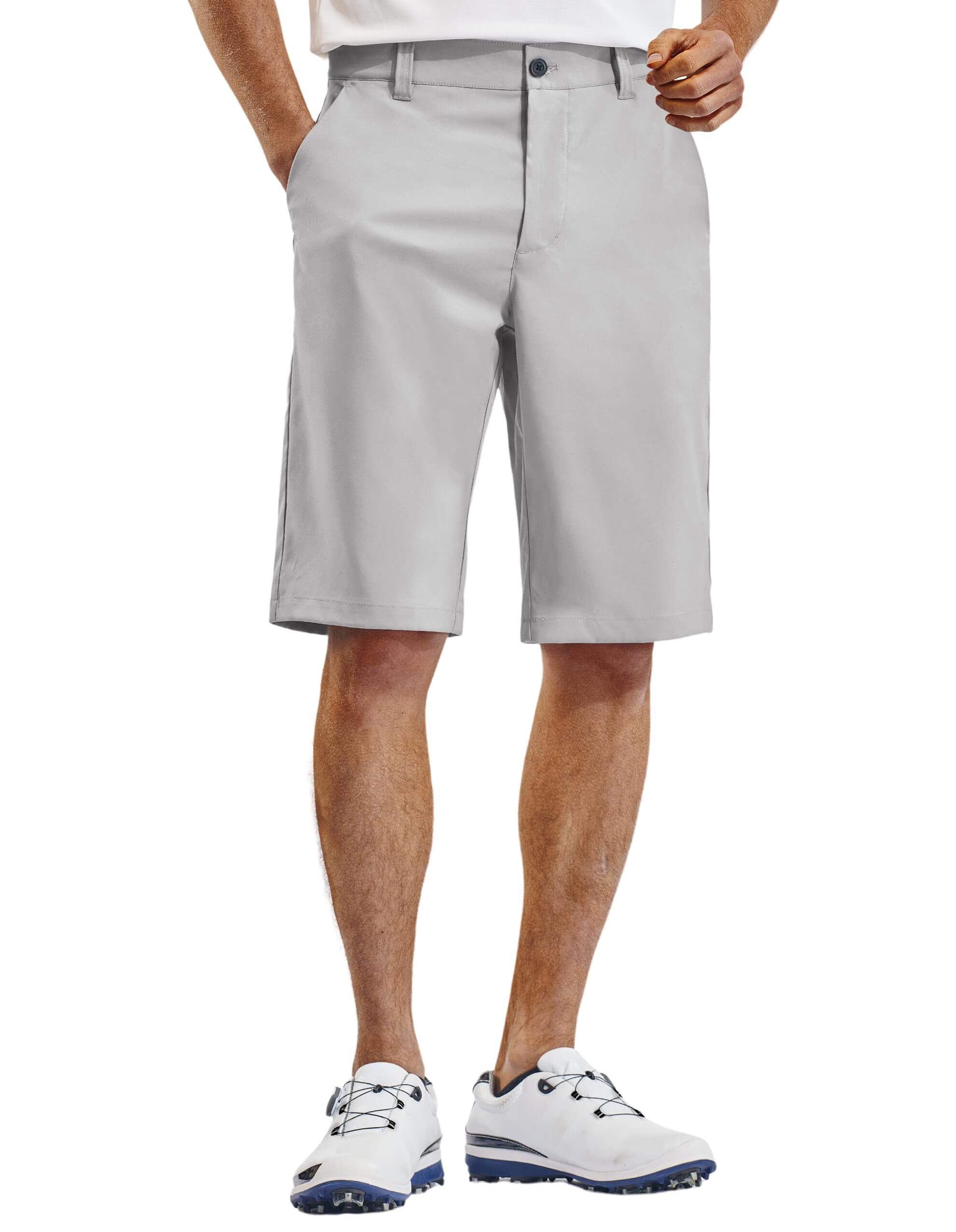
- PULI Men’s Golf Hiking Shorts 12" Inseam focus on a hybrid look: practical pockets, a longer inseam for coverage, and stretch for walking and sitting.
- The five-pocket layout (including a hidden phone pocket) can replace the need for a separate small sling bag when you move between the course and the clubhouse.
Shop: PULI Men’s 12" Inseam Golf Hiking Shorts Lightweight Stretch Quick-Dry Casual Travel with Pockets
Selection and Decision Guide
Base layer moisture transport next to skin
Pick a base layer based on how much temperature swing you expect.
- Cool start, warm finish: light merino or a thin synthetic.
- Consistent cold: heavier merino weight or a close-fitting thermal.
If you feel clammy, your base layer is not moving moisture fast enough or it is too loose to keep contact.
Midlayer warmth to weight easy on off
A golf midlayer should be:
- Easy to remove without a full wardrobe change.
- Stretchy in the shoulders.
- Low bulk so it does not change your posture.
Half-zip designs are popular because they vent quickly when you start walking.
Outer layer wind or rain quiet fabric
Choose the outer layer based on what you need to block:
- Windy but dry: wind shell with quiet fabric and sealed cuffs.
- Wet: waterproof protection, then reduce layers underneath to avoid overheating.
If your shell is loud, it can change your rhythm. Quietness is a real performance factor.
Sun protection UPF rating coverage choices
UPF is a fabric rating for sun protection. Cancer Council explains that UPF 50 and UPF 50+ block about 98% of UV radiation, and the rating also depends on garment design and coverage. Cancer Council.
Use UPF thinking in a practical way:
- In strong sun, coverage beats minimalism. A light long sleeve can feel cooler than bare arms.
- Avoid overstretching sun fabrics. Stretch can reduce protection.
Quick comparison table for common golf scenarios
| Scenario | Main risk | Layer priority | What to optimize | Common trade-off |
|---|---|---|---|---|
| 35F to 55F cold start | stiff muscles, later sweat chill | base + light midlayer | wicking and easy on-off | overdressing early |
| 10 to 20 mph wind | rapid heat loss | wind shell | sealed cuffs, quiet fabric | can feel restrictive if bulky |
| drizzle or wet grass | damp chill | water-resistant outer | fast-dry core, sock plan | heavier fabric if soaked |
| 80F plus humid | overheating | breathable base | ventilation, sweat transport | sun exposure if too minimal |
| travel and clubhouse | comfort plus appearance | Athleisure balance | wrinkle resistance, clean lines | less technical weather protection |
Best Practices and Pitfalls
Best Practices
-
Start slightly cool at the first tee.
- If you feel cozy before you swing, you will probably sweat by hole 2.
-
Build around mobility first.
- Test a full backswing with every layer on. If your shoulders feel tight, size or fabric is wrong.
-
Pack a small micro-kit.
- Include a thin shell, spare socks, and a dry base layer. Those three items solve most comfort failures.
-
Use bottoms as your stability layer.
- Shorts and pants with stretch and secure pockets keep you comfortable while walking and reduce distraction.
Common Pitfalls to Avoid
-
Overdressing, sweating, then freezing.
- Sweat trapped in thick layers turns into cold discomfort as soon as you stop walking.
-
Wearing noisy shells.
- Crinkle and stiff fabric can distract you during the swing and impact touch shots.
-
Ignoring wind chill.
- Wind increases heat loss from exposed skin and can drop comfort fast even when the air temperature looks moderate.
-
Choosing fit that looks good but restricts.
- Slim cuts can work, but only if the fabric has enough stretch and the waistband stays comfortable at address.
Conclusion
Layering for golf works best when you treat it like a simple system, not a random pile of clothes. Start with a sweat-moving base, add adjustable warmth, and block wind or rain only when you need it. Then choose Athleisure pieces that keep your swing free and look clean in the clubhouse.
Once you build a repeatable kit, you can stop guessing and start focusing on the round.
FAQ
What are the three layers for golf outfits in changing weather?
A three-layer golf system uses a base layer, a midlayer, and an outer layer. The base layer sits next to your skin and moves sweat so you do not get clammy. The midlayer adds warmth with low bulk and should be easy to remove after you warm up. The outer layer blocks wind or rain so your body does not lose heat too fast.
How do I layer for a cold tee time without feeling bulky?
Start with a thin wicking base that fits close through the shoulders and upper back. Add a light midlayer that you can unzip or take off after the first few holes. Choose an outer layer only if wind or drizzle is expected, because too many layers trap heat and cause sweat. Keep your total setup flexible so your address posture does not change.
Why do I feel cold on the back nine even when I start warm?
Most golfers get cold later because sweat stays in the wrong layer and then cools when activity slows down. A non-wicking base, or a thick top worn too early, often causes this problem. The fix is to start slightly cool and prioritize moisture transport next to skin. You can also swap into a dry base layer mid-round if humidity is high.
What is the best way to dress for hot and humid golf rounds?
Use breathable fabrics that dry fast and do not cling at the lower back and waistband. Choose tops and bottoms with enough airflow so sweat can evaporate rather than pooling. Plan sun coverage as part of your outfit, not as an afterthought, because direct sun adds heat load. Carry water and drink on a schedule, not only when you feel thirsty.
Is Athleisure acceptable for golf courses and clubhouses?
Athleisure is usually acceptable when the silhouette looks clean and the fit supports golf etiquette. Neutral colors, smooth fabrics, and minimal branding tend to work across most public courses. The most important functional test is mobility, because Athleisure fabrics vary widely in stretch and recovery. If your course has strict rules, avoid overly casual items like gym tanks or oversized hoodies.
How do I choose between shorts and pants when the weather is uncertain?
Use temperature range and wind as the decision drivers, not only the forecast high. Shorts often work when you can keep your core warm and the wind is light, because your legs generate heat while walking. Pants make sense when wind is steady, the course is exposed, or you will be sitting or waiting between shots. A practical rule is to wear the option that keeps you comfortable while standing still for several minutes.
How does waistband stretch affect the golf swing?
A stiff waistband can pull you out of posture at address and restrict hip rotation during the backswing. Stretch waistbands help you maintain a consistent setup without feeling pinched when you bend forward. They also reduce pressure points during long walks and repeated practice swings. For the best result, look for stretch both in the waistband construction and in the fabric itself.
Can I combine a merino base layer with quick-dry golf shorts?
Yes, that combination can work well in cool mornings that turn mild by midday. Merino helps regulate temperature and manage moisture close to skin, while quick-dry shorts prevent damp fabric from staying cold on the legs. The key is fit: the base layer should not bunch under the waistband or restrict hip hinge. If you overheat, remove the midlayer first and keep the base layer for comfort.