
Wool Shawls are one of the easiest ways to fix that surprise chill: an over-air-conditioned office, a drafty plane, or the moment a sleeveless dress meets an outdoor photo line.
The trick is not buying the thickest wrap. Instead, aim for Cozy Shawls that feel warm because they trap air, breathe well, and stay on your shoulders without constant re-adjusting.
In this guide, you will use six fast checks to spot High-End Wool Shawls (or wool-like knits) that feel light, layer cleanly, and repeat well across seasons.
You will also learn a simple four-season layering strategy, plus quick fit tests for a Shawl for Evening Dress, a Bridal Shawl, and a Women’s Shawl for Weddings.
The one-wrap, four-season layering strategy
Use this mental model so you do not overbuy heavy Winter Accessories.
- Base: tee, blouse, or Thermal Base Layers
- Mid: cardigan, blazer, or light sweater
- Wrap: shawl as your adjustable warmth valve
- Shell: coat only when wind or rain forces it
How do you pick a shawl that stays light but feels warm?
Step 1: Match warmth to your setting
Start with where the cold comes from, because each setting needs a different kind of warmth.
- Indoor AC: breathability, soft hand-feel, easy drape
- Outdoor wind: denser knit, more coverage, less flutter
- Travel drafts: secure closure, wrinkle resistance, hands-free shape
Next, set a practical goal. For most people, the best all-rounder is a wrap that warms your shoulders and upper arms without swallowing your outfit.
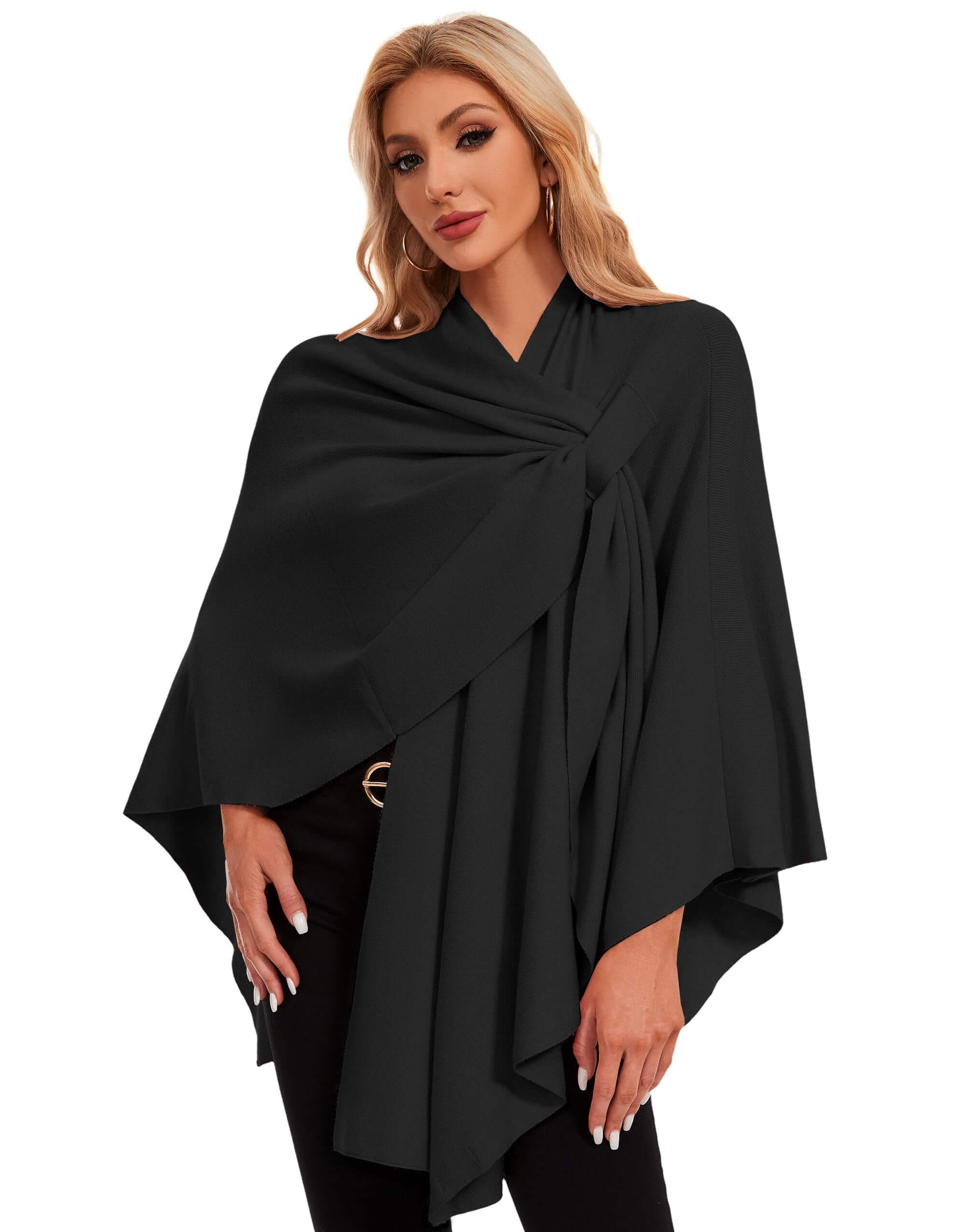
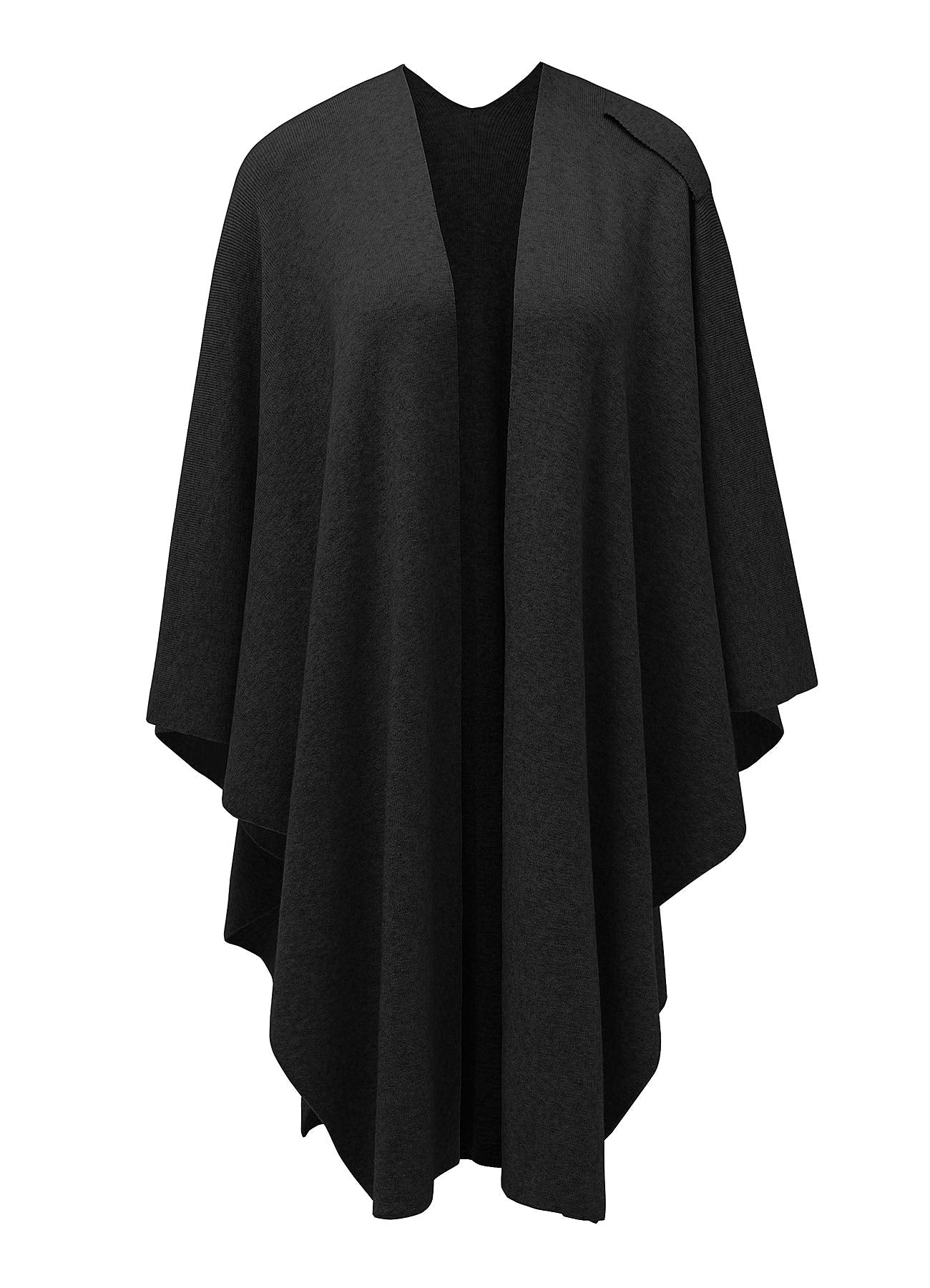
If you want a stay-put option for commuting or a cold office, a cross-front silhouette reduces slipping. PULI Womens Elegant Cross Front Shawl Wraps Knitted Ponchos Cape Light Weight Poncho Sweater Soft Warm Travel Wraps uses a cross-front layout designed to drape without constant tugging.
Step 2: Choose breathable, moisture-managing fibers
Yes, warmth can feel worse when a fabric traps humidity. That is why Moisture-Wicking behavior (or at least moisture buffering) matters even for Fashionable Winter Wraps.
Wool is famous here because it can hold a lot of moisture vapor while still feeling comfortable. The International Wool Textile Organisation notes wool can absorb up to 35% of its weight in moisture and release it as vapor, supporting its breathable comfort. (This property is one reason Merino Wool Shawl styles work well for travel and active days.)
If you have sensitive skin, treat “Soft Wool Fabric” as a test, not a promise.
- Rub the fabric on your neck for 30 seconds
- Check for prickling after 5 minutes
- Re-test after you warm up (heat can reveal irritation)
PULI’s two featured wraps on the product pages use a soft, drapey blend (not wool): 50% viscose, 28% polyester, 22% polyamide. That blend can still work for “light-but-warm” goals because viscose often drapes smoothly, while synthetics add stretch and shape stability.
Step 3: Check the knit structure, not hype
A shawl can look “luxury” online but fail in real life if the knit is too loose. Loose knits leak warmth and stretch out at stress points.
Use two fast structure checks.
- Hold-to-light test: less light passing through, more warmth potential
- Pinch-and-release: fabric should rebound without staying baggy
Many Classic Shawl Styles feel warmer when the knit is denser, even if the garment is not heavy. That is why “double knit” matters more than trendy labels.
PULI describes its wrap fabric as double knit, which typically creates a thicker, smoother surface and helps maintain a clean drape for photos.
Step 4: Prioritize a stay-put silhouette
A shawl only becomes “all-season” if it stays on when you move. Otherwise, you will leave it in a chair and forget it.
Look for one of these “hands-free” features.
- Cross-front overlap
- Loop/button at shoulder or chest
- Room for a pin without puckering
This is where Fashionable Shoulder Wraps turn into a real tool. Cross-front wraps can feel like a soft top layer, not a blanket you constantly re-fold.
PULI’s cross-front poncho style includes a loop/button concept on the shoulder or chest area (varies by listing) so the front can stay tucked. If you want extra security for Spring Break Shawls in breezy weather, add a small brooch or pin at the overlap.
Step 5: Validate length and coverage fast
Do not guess coverage from photos. Do a quick measurement so the shawl actually performs as a Shawl for Cold Weather and still looks polished.
Use this 20-second fit check.
- Measure shoulder to hem on your body (mirror helps)
- Compare to your most common outfit (dress, blazer, or tee)
- Raise both arms like you are hailing a cab
For evening events, the goal is coverage without bulk.
- For a Shawl for Evening Dress, the hem should usually reach mid-hip or lower
- For a Bridal Shawl, check that the wrap covers straps and upper back in photos
On the PULI listing, the large cross-front wrap is described as 32 inches from shoulder to hem. That length is often enough to cover upper arms and smooth the line of a sleeveless outfit.
Step 6: Pick a color strategy for repeat wears
Color is not just style. Color decides whether you will reach for the wrap weekly or only once a year.
Use a simple capsule strategy that fits Timeless Shawl Designs.
- One deep neutral: black, charcoal, navy
- One soft neutral: beige, taupe, ivory
- One accent: your signature color for photos
If you attend events, keep flash photography in mind.
- Very bright whites can read harsh under flash
- Soft neutrals often look more “high-end” in group photos
For gifts, classic colors also reduce return risk. That matters for Elegant Holiday Gifts, Valentine’s Day Gifts, Easter Gifts, and other Sustainable Fashion Gifts where you want the recipient to actually wear the item.
Which real-life scenarios change your choice?
Your “best shawl” changes with wind, formality, and how much you need hands-free movement.
Here are four common scenarios, plus the one adjustment that matters most.
Women’s Shawl for Weddings and formal photos
Prioritize a smooth drape and a secure front so you are not re-folding fabric mid-photo.
- Denser knit for cleaner lines
- Minimal texture for flash-friendly photos
- Cross-front or pin-friendly closure
Shawl for Cold Weather and windy commutes
Wind steals heat quickly, so coverage and stability matter more than softness alone.
- Longer hem for upper-arm warmth
- Less open knit to reduce wind-through
- Stable silhouette that does not flap
According to OSHA, wind chill increases heat loss and dampness raises cold-stress risk, so layered clothing choices matter when you move between outdoor wind and indoor heat.
Bridal Shawl for strapless or sleeveless dresses
You want warmth without hiding the dress.
- Soft neutral color that matches undertones
- Lightweight drape that does not bunch at the waist
- Closure that holds while you hug people
Travel wrap for plane cabins and long days
Planes are the ultimate “cold-and-dry” environment.
- Wrinkle resistance for packing
- Breathable comfort so you do not feel clammy
- Hands-free closure for luggage and coffee
What do you need before you buy or pack?
A few small tools prevent the most common shawl mistakes: wrong length, constant slipping, and snagging.
Required Tools and Materials
- Tape measure
- Mirror, full-length
- Small brooch or shawl pin
- Outfit base layer
- Carry pouch, soft
- Lint roller
- Flat surface for fold test
Safety Considerations
- Skin-sensitivity test, neck and wrists
- Snag check, rings and bag straps
- Pin placement, avoid delicate open knit
- Overheating check, remove layer early
- Hand-wash plan, shape protection
Both PULI wraps list hand wash care, which is a good signal to plan gentle cleaning and flat drying so the silhouette stays crisp over time.
Troubleshooting guide when it does not look right
Most “this looks wrong” moments come down to closure, knit bulk, or proportion.
Use this table to diagnose quickly.
| Problem | Cause | Solution |
|---|---|---|
| Front keeps slipping | Weak closure | Brooch at overlap, higher on chest |
| Shoulders look bulky | Knit too thick | Choose smoother double knit, less volume |
| Outfit looks shortened | Hem hits widest hip | Longer shoulder-to-hem length |
| Fabric feels itchy | Fiber sensitivity | Softer yarn, add base layer at neck |
| Wrinkles after packing | Fold stress | Roll in pouch, hang 10 minutes |
Conclusion
A lightweight wrap can still feel warm when the knit is dense, the fiber breathes, and the silhouette stays put.
When you use these six checks, you can build a repeatable mini-capsule of Luxury Shawls and Winter Accessories that work for commuting, weddings, and travel.
If you only remember one rule, remember this: drape plus stability beats pure thickness for real-life comfort.
FAQ
What’s the best material for shawls in winter for warmth without causing irritation?
Merino wool. Merino often feels softer than coarser wool, and many people tolerate it better at the neck and wrists.
If you have sensitive skin, test the fabric on your neck for 30 seconds, then wear it for five minutes while you move, because warmth can increase prickling.
If irritation persists, use a soft base layer with a higher neckline or choose a smoother knit blend that still drapes cleanly.
Can I find a shawl that is both lightweight and warm for all seasons?
Yes. Pick a breathable fiber, a tighter knit structure, and a silhouette that stays on without constant re-wrapping.
Then, rely on layering instead of thickness: wear it over tees in spring and over sweaters in winter.
For travel, prioritize wrinkle resistance and a secure front, because you will wear it longer when it feels easy.
How do I choose a wool shawl for both warmth and style?
Choose a classic silhouette. A clean drape, a stable shoulder line, and a hem that hits below mid-hip tend to photograph well and repeat across outfits.
Then, pick a neutral color you will wear weekly, and add one accent color only if you already have basics covered.
Finally, check bulk at the shoulders in a mirror, because too much volume can overwhelm dresses and blazers.
How do I care for a wool shawl to maintain its softness and longevity?
Hand wash only. Use cool water and a gentle detergent, then press water out with a towel instead of twisting.
Next, dry it flat and reshape the edges so the knit does not stretch out at the hem.
Store it folded and avoid hanging long knits, because hanging can pull the shoulders out of shape over time.
What’s the difference between lightweight and heavier wool shawls in terms of warmth?
Heavier shawls usually block wind better and feel warmer as a single layer.
Lightweight shawls rely more on knit density and smart layering, so they can still feel warm without adding bulk.
If you move between indoor heat and outdoor cold, a lighter wrap often works better because you can vent heat by loosening the front.