
A scarf vs shawl decision seems simple until you are standing in front of a closet five minutes before work, a flight, or a wedding. Both can add warmth and polish, but they solve different problems. Once you understand coverage, fabric weight, and styling mechanics, you will stop buying "almost right" pieces.
This ultimate guide explains scarf vs shawl choices using real, practical scenarios. You will learn how sizes map to body coverage, how fibers change warmth and drape, and how to style each piece without fighting your neckline or coat. Along the way, you will also see how Slow Fashion thinking and Quiet Luxury styling make accessory shopping easier because you buy fewer, better options.

Official Site: PULI
Scarf vs Shawl Fundamentals
Size and coverage: neck focus vs shoulder coverage
The fastest scarf vs shawl check is coverage. A scarf is usually narrower and meant to wrap the neck, so it blocks wind at the collar and fills the "gap" between your coat and face. A shawl is larger and designed to drape over shoulders and upper arms, so it changes your whole silhouette.
In practice, the bigger the textile, the more it behaves like a light layer of outerwear. That is why shawls show up at weddings and indoor events with strong air conditioning. You need a piece that stays on shoulders, not a small strip that slides down.
Fabric and weight: insulation vs drape
Fabric choice changes the feel more than most people expect. Wool tends to trap air and insulate well, so it performs in cold outdoor conditions. Many synthetic blends can feel smooth and drape well, which is useful for formal looks, but they can also behave differently with static and heat.
Weight matters because thick fabrics create structure (great for coziness) but can look bulky around the neck. Lighter fabrics fold smaller for travel and work better with tailored jackets because they do not add volume.
Occasion and formality: daily wear vs events
A scarf is an everyday tool. It can be purely practical (wind protection) or a small style accent. A shawl usually signals intention: you are dressing for an event, layering over sleeveless clothing, or creating a refined top layer without committing to a coat.
This distinction supports Quiet Luxury styling because the piece looks deliberate without loud branding. Neutral tones, clean finishes, and fabrics that move well often read as "expensive" even when the outfit is simple.
Styling mechanics: tie, loop, drape
Scarves are designed to be manipulated. You loop, knot, twist, and tuck them into collars. That mechanical control is why scarves handle commuting well.
Shawls are designed to hang and frame the shoulders. You can fold them into a scarf shape, but the best shawl styling uses gravity: drape, wrap, and sometimes a belt or brooch to keep it in place.
Occasion Matching
Module 1: Occasion Matching for scarf vs shawl
Start with one question: "Do I need neck insulation, or do I need shoulder coverage?" If the dress code is formal or the outfit is sleeveless, shoulder coverage usually wins. If the day is windy and you will be outdoors, neck insulation usually wins.
Use this quick decision map:
- Weddings and evening events: choose a shawl.
- The shawl reads like a refined layer and photographs well.
- It also prevents the common problem of a strapless or thin-strap dress feeling unfinished.
- Office and meetings: choose a scarf most days.
- A scarf stays controlled under blazers and coats.
- It can add color near the face without changing your whole silhouette.
- Travel days: choose based on "movement."
- If you will sleep on a plane or deal with cabin AC, a shawl can double as a wrap.
- If you will be in and out of taxis and sidewalks, a scarf is easier to manage.
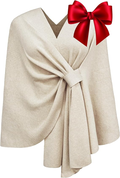
How PULI fits this module (natural, not fussy): the PULI Women's Pashmina Shawl Wraps for Evening Dress Large Scarf Blanket Long Wedding Bridal Winter Warm Shoulder Wrap is built for shoulder coverage and event flexibility. The listing notes a winter-weight blend and a large 79-inch by 26-inch size, which supports formal draping as well as folding into a scarf-like wrap.
Shop: PULI Women's Pashmina Shawl Wrap
Warmth and Layering
Module 2: Warmth and Layering for scarf vs shawl
Warmth is not only about "thick equals warm." Warmth comes from trapped air, blocked wind, and coverage over key heat-loss zones. A scarf vs shawl choice changes which zones you protect.
Use a layering approach that matches the temperature swings you actually experience:
- Cold outdoor commute + heated indoor spaces: choose a scarf.
- Wrap the scarf high at the neck to reduce drafts.
- Once indoors, loosen one loop to prevent overheating.
- Indoor AC, restaurants, ceremonies, or theaters: choose a shawl.
- Shoulder coverage keeps you warm without changing your dress.
- A shawl also avoids the "coat pile" problem at seated events.
- Windy days: prioritize a scarf with enough body.
- A narrow, slippery scarf can gap at the collar.
- A thicker knit can seal the space between coat and chin.
Slow Fashion tip for warmth: buy for repeatable scenarios, not for one perfect outfit. If you regularly face indoor AC, one reliable shawl will get used all year. If you regularly walk in winter wind, one reliable wool scarf will get used weekly.
Fabric and Label Literacy
Module 3: Fabric and Label Literacy for smarter Slow Fashion buying
Fabric literacy is the most practical Slow Fashion skill you can develop because it prevents "mystery purchases." Two accessories can look similar online, yet feel completely different on the body.
A simple label-reading framework:
- Start with fiber content.
- Wool usually signals warmth and resilience.
- Viscose can feel smooth and drape well, but warmth depends on weight and weave.
- Polyester and polyamide can add durability and shape retention.
- Next, check care instructions.
- If you will not hand wash, avoid pieces that require it.
- Dry-clean-only items can be fine for event wear, but they often get worn less.
- Finally, match fiber to sensitivity.
- If you itch easily, prioritize softer hand-feel and avoid scratchy finishes.
- If you run hot, avoid overly dense wraps for indoor use.
Labeling also matters for naming. In the US, marketing terms can confuse shoppers. The Federal Trade Commission explains how the Wool Products Labeling Act impacts cashmere and wool labeling, and it is a useful reminder to look for clear fiber percentages instead of relying on a romantic name alone. According to the Federal Trade Commission, compliant labeling focuses on fiber content disclosures, which helps consumers compare products more honestly.
How PULI fits this module: the PULI shawl wrap lists a specific blend (50% viscose, 28% polyester, 22% polyamide) and hand-wash care, which makes it easier to decide if it fits your lifestyle. The PULI pull-through scarf lists 100% wool and gives a maximum wash temperature guideline (30 C / 86 F), which is the kind of clarity Slow Fashion shoppers should prioritize.
Styling and Silhouette
Module 4: Styling and Silhouette for Quiet Luxury polish
Quiet Luxury styling is less about "minimal" and more about clean lines, good proportions, and calm color stories. In a scarf vs shawl context, the piece should support your outfit shape instead of competing with it.
Use these silhouette rules:
- If your top has volume (chunky knit, oversized blazer), keep the accessory controlled.
- Choose a scarf style that sits close to the neck.
- Avoid extremely wide wraps that add more bulk at the chest.
- If your outfit is sleek (dress, fitted top), add an outer frame.
- Choose a shawl to create a soft shoulder line.
- A shawl also looks intentional with sleeveless dresses.
- If you want a defined waist, belt a shawl.
- Fold the shawl lengthwise.
- Drape over shoulders, then add a slim belt at the natural waist.
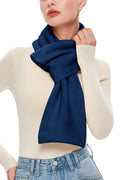
How PULI fits this module: the PULI Women's 100% Wool Scarf Luxury Chunky Warm Pull Through Scarf with Gift Box uses a pull-through loop design, which reduces styling effort and keeps the scarf anchored. The listed size (8.66 inches wide by 34.65 inches long) supports a compact, tidy shape that works well with coats and tailored layers.
Shop: PULI 100% Wool Pull-Through Scarf
Selection and Decision Guide
Choose by coverage first (the fastest filter)
If you repeatedly ask "Will this stay on my shoulders?" you are shopping for a shawl. If you repeatedly ask "Will this seal my collar gap?" you are shopping for a scarf. This one filter prevents most wrong purchases.
Choose by fabric and season second
Once coverage is clear, choose the fiber that matches your season and your skin comfort. Wool is a strong default for winter warmth. Smooth blends can be ideal for drape and formal styling, especially when you want a wrap that looks refined indoors.
Choose by weight and packability third
Weight is your travel reality check. If you want something that lives in a work bag, look for a scarf format or a lighter shawl that folds without taking over the bag. If you want a piece that replaces a jacket indoors, a heavier shawl is often more satisfying.
Choose by care and lifestyle last
Care is the hidden "cost" in Slow Fashion. If a piece needs hand washing and you will not do it, you will avoid wearing it. If you like to wear accessories weekly, buy the care routine you can actually maintain.
Quick decision table
| Scenario | What matters most | Pick | Why it works |
|---|---|---|---|
| Winter commute with wind | Neck seal, easy control | Scarf | Wraps tight and stays under outerwear |
| Wedding, sleeveless dress | Shoulder coverage, elegance | Shawl | Reads formal and provides a graceful layer |
| Office with mild chill | Light warmth, tidy look | Scarf | Adds polish without changing your silhouette |
| Long flight or train | Comfort, adjustable coverage | Shawl | Can function as a wrap or light blanket |
| Capsule wardrobe building | Repeat wear, neutral palette | Either | Choose the piece that matches your weekly routine |
Fashion tastes shift, but the "timeless" approach still works: buy fewer accessories with better materials and clearer use cases. The luxury sector has been navigating changing consumer preferences, and analysis from McKinsey and Company highlights a tougher environment that pushes brands to focus on product excellence and value, which aligns with a Slow Fashion mindset.
Best Practices and Pitfalls
Best Practices
- Prioritize transparent fiber content for Slow Fashion shopping.
- Fiber percentages help you compare warmth, drape, and durability.
- Clear labeling also makes it easier to care for the piece correctly.
- Match fabric to temperature swings.
- Keep a scarf for outdoor wind.
- Keep a shawl for indoor AC and formal events.
- Build a Quiet Luxury palette.
- Start with neutrals you already wear: black, cream, gray, navy.
- Then add one "soft statement" color you can repeat across outfits.
- Use mechanics that reduce fuss.
- Pull-through scarves stay anchored.
- Shawls can be secured with a belt or a simple pin.
Common Pitfalls to Avoid
- Buying "pashmina" without fiber information.
- Names can be marketing; labels are facts.
- The Federal Trade Commission emphasizes compliant disclosure, which supports better comparisons.
- Overstyling against your neckline.
- High necklines already create visual weight at the collar.
- Add a bulky scarf on top and the proportions can look crowded.
- Storing accessories knotted.
- Knots can set creases and stress fibers.
- Store flat, folded, or gently rolled.
Conclusion
A scarf vs shawl choice becomes easy when you treat it like a coverage decision first and a fabric decision second. Scarves excel at neck warmth, wind protection, and controlled everyday styling. Shawls excel at shoulder coverage, formal layering, and indoor comfort.
For a simple Slow Fashion starter set, aim for one scarf you can wear weekly and one shawl you can wear for events and travel. That combination covers most real-life scenarios while keeping your wardrobe calm and Quiet Luxury-friendly.
Official Site: PULI
Frequently Asked Questions
What is the main difference between a scarf and a shawl?
A scarf is typically narrower and is designed to wrap around the neck for targeted warmth and styling. A shawl is larger and is designed to drape over the shoulders and sometimes the arms for broader coverage. Because of that size difference, shawls often function like a light outer layer. Scarves are usually easier to control under coats and jackets.
Can you wear a shawl like a scarf?
Yes, you can fold a shawl lengthwise and wrap it around your neck like a scarf. The trade-off is bulk, because extra width and fabric layers can crowd the collar area. This can feel uncomfortable with structured coats or blazers. If you want a consistent neck-warmth routine, a true scarf is usually simpler.
What fabric is best for winter: scarf or shawl?
Winter performance depends more on fiber and thickness than on the label scarf or shawl. Wool is a strong winter choice because it insulates well and stays warm even in damp conditions. A wool scarf often works best for outdoor wind because it seals the neck area. A larger shawl can add comfort indoors and protect shoulders when you are seated.
Is "pashmina" a scarf or a shawl?
People use the word for both, but many items called pashmina are sized and styled like a shawl or wrap. The most useful way to decide is to ignore the name and check measurements and fiber content. If it is wide enough to cover shoulders comfortably, treat it as a shawl. If it is narrow and meant to tie or loop, treat it as a scarf.
How do I choose between Slow Fashion and trend-driven accessories?
Slow Fashion accessories should earn repeat wear across multiple outfits and seasons. Start by listing your weekly scenarios: commuting, office, travel, and events, then buy for those needs. Neutral colors and clear fiber labels usually support more wears because they are easy to pair and maintain. Trend pieces can still work, but they should not replace your core "workhorse" scarf or shawl.
What is the easiest way to style accessories for a Quiet Luxury look?
Quiet Luxury styling works best when the accessory supports clean proportions and calm colors. Choose one focal point: either the scarf texture or the outfit silhouette, but not both at maximum volume. Keep knots simple, and avoid stacking busy patterns near strong necklines. A well-draped shawl or a tidy looped scarf often looks more refined than an elaborate knot.
Why does my scarf feel bulky under a coat, and how can I fix it?
Bulk usually comes from too much width, too much thickness, or too many layers at the collar. First, reduce layers by using a single loop instead of a double wrap. Next, tuck the scarf ends inside the coat to keep volume centered and controlled. If the issue persists, switch to a narrower scarf for commuting and reserve thick knits for open outerwear days.
How should I store scarves and shawls to avoid creases and stretching?
Store scarves and shawls flat in a drawer or gently folded on a shelf to avoid hard crease lines. Avoid leaving them knotted because knots can set wrinkles and stress fibers over time. For delicate pieces, consider rolling them loosely to reduce fold marks. If you hang them, use a wide hanger or scarf ring so the fabric does not stretch at a single point.