
A lot of golfers buy slim fit golf shorts thinking the cut alone will make them feel lighter. Then the first hot round proves otherwise. The wrong pair can trap heat, pull across your hips, ride up during the walk, and feel damp long before the back nine. When that happens, comfort drops, focus fades, and even a clean swing starts to feel restricted.
This guide sorts out what actually makes slim fit golf shorts breathable all round: fabric blend, stretch, moisture-wicking, pocket design, sun protection, and the difference between a trim cut and a tight one. You will move from core fit principles into real buying signals, on-course use cases, and practical ways to compare options for athleisure, travel, and a capsule wardrobe built around performance wear.
Slim Fit Golf Shorts Fundamentals
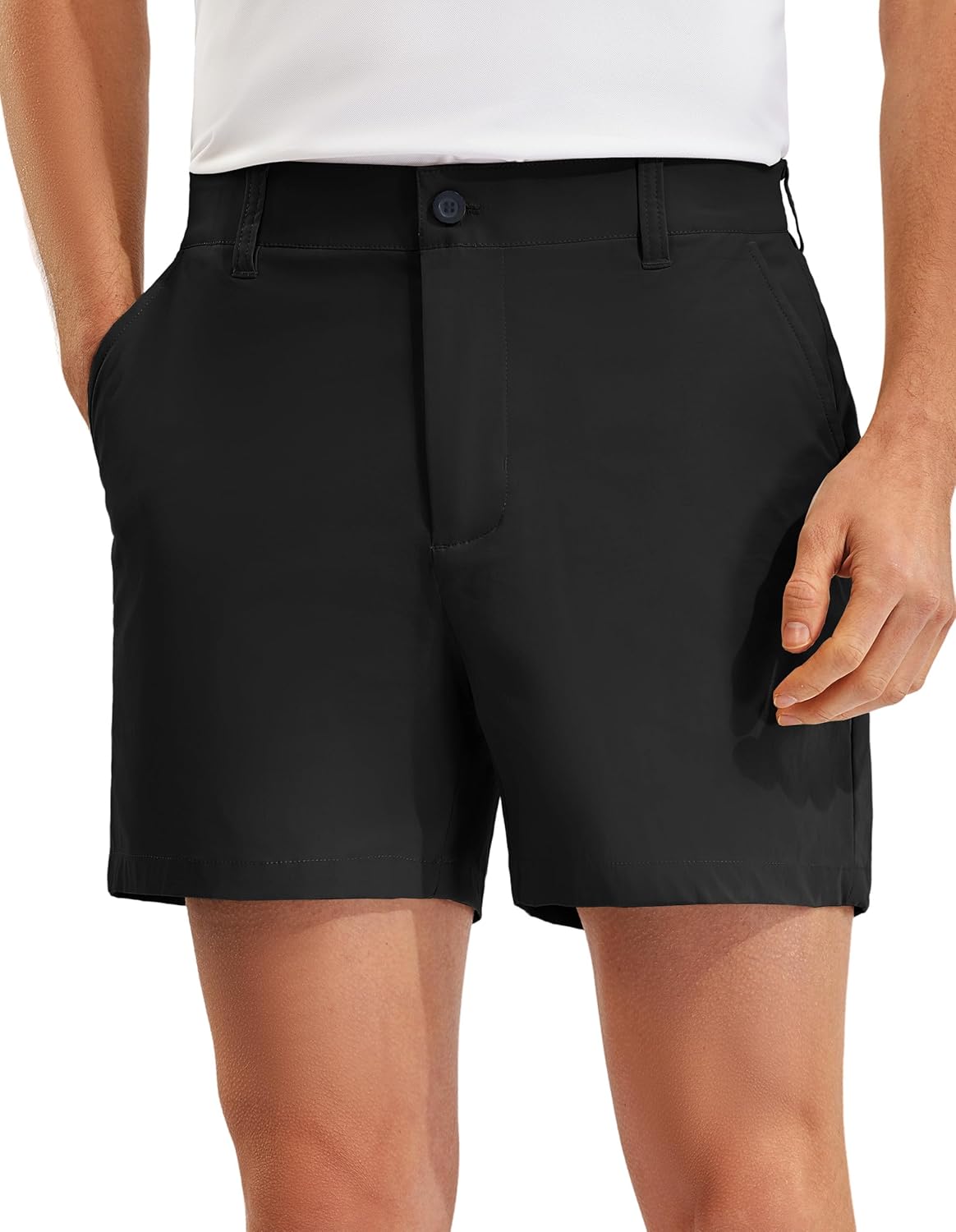
Slim fit should look clean, not feel restrictive
Slim fit golf shorts work best when they taper visually without squeezing your stride or your backswing. That is the first thing to get right. A useful slim fit sits closer through the leg than a regular fit, but it still leaves enough room at the thigh and seat for walking, bending, and rotation.
What this means:
- A tapered leg is helpful when it reduces extra fabric flap
- A tight leg opening is unhelpful when it catches during movement
- A trim silhouette should stay smooth when you sit, squat, or address the ball
- Good slim fit performance wear depends on patterning, not just narrow measurements
A clean cut also makes these shorts easier to wear off the course. That crossover matters in modern athleisure, where one pair may go from tee time to lunch to airport travel without looking too technical.
Breathability comes from fabric and cut together
Many shoppers focus only on fabric labels, but breathability is a system. The fabric has to release heat and dry efficiently, while the cut has to leave enough space for air movement. A very breathable textile can still feel hot if the shorts pinch at the thigh or bunch at the waistband.
Why it matters:
- Lightweight fabric reduces heat retention
- Smooth synthetic fibers can dry faster than heavier natural blends
- A balanced leg shape helps airflow as you walk
- Low-bulk pockets reduce cling and pressure points
According to the CDC, sweat cools the body only when evaporation happens. That is why moisture-wicking and airflow need to work together instead of being treated as separate features.
Stretch supports your swing and your walking rhythm
Golf movement is repetitive, rotational, and more athletic than many casual buyers expect. You turn through the hips, shift weight laterally, read putts from a crouch, and walk for hours. Slim fit golf shorts without enough stretch can feel fine in a fitting room and fail badly in live play.
Key specs or signals:
- Elastane in the blend improves recovery and freedom of movement
- Waist stretch helps keep a tucked shirt stable through rotation
- Fabric snap-back matters because sagging creates bulk over time
- Flex in the seat and upper thigh matters more than marketing words
This is also why crossover terms such as Golf Joggers and Hiking Cargo Pants appear in the same buying journey. Many shoppers want one streamlined piece that handles golf, light hiking, commuting, and casual wear without changing clothes between stops.
Moisture control changes comfort across the whole day
You notice moisture management most when it is missing. Sweat that stays on the skin creates cling, visual dark spots, and that heavy feeling that makes slim shorts feel even tighter. Humid conditions make the problem worse because sweat evaporates more slowly.
What to check:
- Look for moisture-wicking claims backed by quick-dry fabric language
- Watch for light, smooth weaves that resist sticking to the leg
- Choose shorts that keep structure after repeated sweat and wash cycles
- Separate water-resistant from breathable in your decision
The EPA notes that higher humidity reduces perspiration cooling. In practical terms, a breathable pair of slim fit golf shorts needs to help moisture move off the skin fast enough that the body can cool itself.
Fabric Performance Essentials
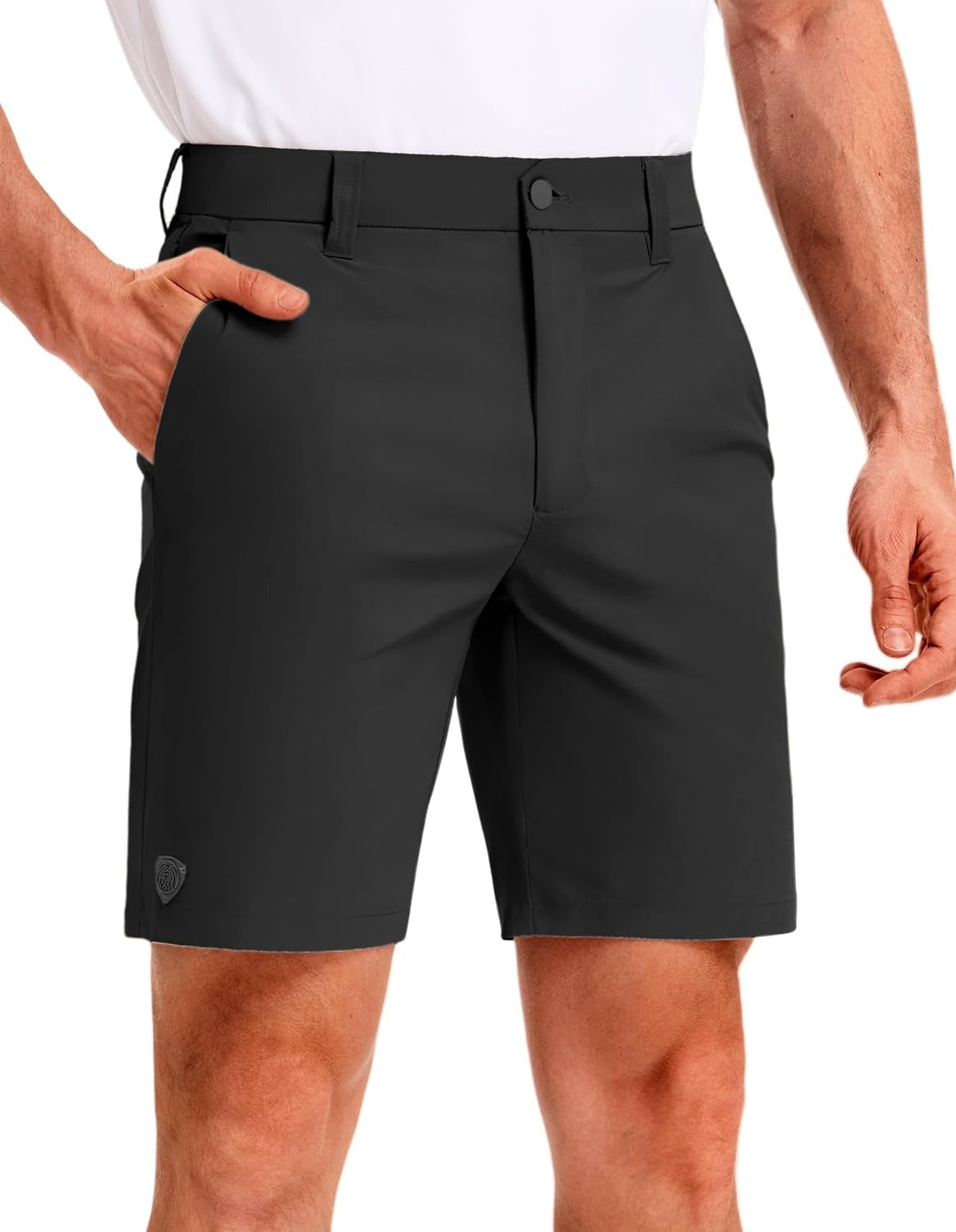
If you want slim fit golf shorts that stay breathable all round, start with fabric before you debate styling. The strongest signal on the PULI product pages is consistency: both highlighted golf shorts use a 95% polyamide and 5% elastane blend. That mix is important because polyamide helps keep the fabric light and durable, while elastane gives the shorts the flex needed for swings, walking, and all-day wear. In practical use, that means less stiffness than older flat-front shorts and less drag when you move from cart path to green.
What to check:
- 95% polyamide, 5% elastane blend
- Machine-wash care for repeat wear
- Quick-dry positioning in product copy
- Moisture-wicking language tied to active comfort
What this means:
- Polyamide supports lightweight performance wear
- Elastane helps shape recovery after bending
- Quick-dry behavior supports travel and repeat use
- The fabric works for athleisure, not only golf
For readers building a capsule wardrobe, this fabric profile is useful because it overlaps with the logic behind Golf Joggers and modern Hiking Cargo Pants: low weight, stretch, and easy drying. It also fits broader interest in Eco-Friendly Apparel and Sustainable Fabrics, since longer-lasting, versatile garments tend to be worn more often and replaced less frequently.
Fit That Moves With You
A slim silhouette only works when the fit helps your movement instead of fighting it. The 9-inch PULI model is a good example of a trim golf short that still aims for mobility. Its product details call out an engineered stretch waistband and a brushed tricot-lined waistband designed to help keep your shirt tucked during the swing. That matters more than it sounds. On the course, waistband stability prevents constant adjustment, while some built-in give reduces pressure around the waist after walking several holes or sitting between shots.
Best fit:
- Choose slim through the leg, not tight through the seat
- Prioritize waistband flexibility before sizing up
- Match inseam to your comfort and coverage preference
- Check whether the profile still looks clean when loaded with essentials
Common mistake:
- Buying a wider short to solve a waistband problem
- Ignoring thigh mobility because the mirror test looked fine
- Confusing a short inseam with a truly athletic fit
The clean silhouette also makes these shorts easier to pair with polos, knit tops, and even more casual layers for athleisure use. If you already wear Golf Joggers for travel days, the same principle applies here: trim lines feel polished only when the fabric stretches enough to keep the body relaxed.
On-Course Heat Management
When players talk about breathability, they usually mean a bundle of sensations: less heat buildup, less cling, faster drying, and fewer distractions late in the round. That is why moisture-wicking matters so much in slim fit golf shorts. PULI describes both featured shorts as moisture-wicking, and the 5-inch relaxed-fit option adds lightweight, breathable, quick-drying, and UPF 50+ positioning. That combination is useful for exposed fairways, summer practice sessions, and travel days when you need one pair to stay comfortable across changing conditions.
What to check:
- Moisture-wicking for sweat transfer
- Quick-dry finish for repeat comfort
- Lightweight shell for less cling
- UPF 50+ when sun exposure is constant
Why it matters:
- Dry fabric feels lighter over 18 holes
- Less cling improves freedom at address
- Faster evaporation supports cooling
- Sun protection adds comfort beyond temperature alone
The NIST explains that UPF compares how well fabric blocks ultraviolet radiation. In simple terms, if you play in direct sun, breathability is not just about airflow. It is also about whether the shorts help reduce the heat load you feel over time.
How to Choose Slim-Fit Golf Shorts That Stay Breathable All Around
Choosing well is easier when you compare functions instead of chasing marketing labels. Start with the way you move, then match inseam, waistband, and storage to your day. A golfer who walks 18 holes in humid weather needs different priorities than someone who plays nine, drives a cart, and then heads straight to lunch.
| Factor | Best signal | Better for | Watch-out |
|---|---|---|---|
| Fabric blend | Polyamide plus elastane | Stretch, quick-dry | Stiff hand feel |
| Inseam length | 5, 7, 9, 11 inch | Coverage preference | Too short or bulky |
| Waist design | Stretch or flex waist | Tucked stability | Pinching at sitting |
| Pocket setup | 5-pocket layout | Golf plus travel | Overloaded silhouette |
| Moisture control | Moisture-wicking | Long warm rounds | Slow drying cling |
| Water protection | Water-resistant shell | Dew, light drizzle | Less airflow if overbuilt |
| Sun coverage | UPF-rated fabric | Exposed fairways | Not a cooling substitute |
Conclusion
Breathable slim fit golf shorts are really about balance. You want a trim silhouette, but not compression. You want weather utility, but not a heavy shell. You want storage, but not bulk. Once you focus on lightweight fabric, moisture-wicking behavior, stretch, and a waistband that moves with you, the buying process becomes much simpler.
For most golfers, the best choice is the pair that supports movement first and style second, while still looking polished enough for athleisure and daily wear. That is what turns golf shorts into dependable Performance Wear for a capsule wardrobe instead of a single-use purchase.
FAQ
Are there golf shorts that offer a slim fit while still providing breathability?
Yes, there are slim fit golf shorts that stay breathable when the cut and fabric are balanced correctly. The key is a tapered shape that sits closer to the leg without squeezing the thigh or seat. Lightweight synthetic blends with stretch usually perform better than heavier or stiffer fabrics in warm conditions. Moisture-wicking and quick-dry behavior matter just as much as the visible silhouette. If the shorts look slim but feel sticky or restrictive after a few holes, the fit system is not working.
What's the best material for slim fit golf shorts to ensure comfort and performance?
A blend built around polyamide with a small amount of elastane is one of the most practical choices for comfort and performance. Polyamide helps keep the shorts light, smooth, and quick to dry, while elastane improves movement and shape recovery. That combination is especially useful for swings, walking, and repeated bending during a round. It also works well for athleisure use because it tends to look cleaner than heavier casual fabrics. The best result comes from the whole package, though, so fabric still needs a breathable cut and a stable waistband.
What's the difference between slim fit and regular fit golf shorts for comfort and style?
Slim fit golf shorts sit closer to the body and create a cleaner, more modern line. Regular fit shorts leave more room through the seat and leg, which some players prefer for a traditional feel. Comfort is not decided by width alone, however, because stretch, rise, waistband design, and inseam all affect how the shorts move. A well-made slim fit can feel more comfortable than a regular fit if it bends and dries better. Style-wise, slim fit usually transitions more easily into a capsule wardrobe and off-course wear.
Can slim fit golf shorts still feel comfortable for long games?
Yes, they can feel very comfortable for long games if they are designed for movement instead of just appearance. Look for stretch in the waistband and fabric so the shorts stay stable without pinching. Moisture-wicking and quick-dry performance also matter because damp fabric starts to feel heavier as the round goes on. A reasonable pocket layout helps too, since overloaded pockets can make any slim short feel awkward. Comfort over 18 holes comes from small details working together rather than one headline feature.
How do slim fit golf shorts enhance performance during a game?
Slim fit golf shorts can help performance by reducing extra fabric movement and keeping your lower body feeling less cluttered. A cleaner cut may reduce bunching during setup, walking, and rotation, which can make movement feel more natural. Stretch fabric supports hip turn and weight shift, while moisture-wicking helps maintain comfort when heat builds. Better comfort does not guarantee a better score, but it removes distractions that often affect focus. In that sense, the right shorts support performance by helping you stay settled through the round.
Are there slim fit golf shorts that stay breathable for long rounds?
Yes, but the breathable part depends on more than a product label. The shorts should combine lightweight construction, moisture-wicking fabric, quick-dry behavior, and enough room for air to move around the leg. Breathability also improves when the pockets are low bulk and the waistband does not feel overly tight. If you usually play in humid weather, evaporation speed becomes even more important than a simple soft hand feel. For long rounds, choose the pair that stays dry-looking and comfortable after steady walking, not just one that feels nice at first touch.